
Preparing Fuel and Fluids Before Open Car Transport

Preparing your vehicle before shipping is essential for a smooth, safe and trouble-free experience. Inspecting your car, securing loose items, checking fluids and understanding transport requirements help protect your vehicle and ensure a seamless pickup and delivery. This checklist outlines everything you need to do to prepare your vehicle for transport.
Key takeaways:
- Inspect your car’s condition & document everything before handing it to the carrier;
- maintain only minimal fuel for safe loading & unloading;
- check essential fluids, including oil, coolant, brake fluid & transmission fluid;
- remove personal belongings to ensure your auto is protected during transport;
- disable alarms, secure loose parts & ensure the vehicle runs properly;
- verify transport details, including pickup coordination, insurance & communication steps;
- Use tools such as the shipping process overview & the free car shipping calculator to plan your shipment.
- Monitor delivery progress with the track your car shipment tools.
Why is proper vehicle preparation critical before auto delivery?
Preparing your vehicle before working with shipping companies is a crucial step for any driver looking to prepare my car for shipping safely and efficiently. Proper preparation ensures your vehicle is protected during transport and minimizes delays, misunderstandings and potential damage.
Understanding how delivery companies handle your vehicle during transport
Professional services rely on trained drivers, safety protocols, and specialized equipment. Whether you choose standard open service or car open transport, every auto carrier follows strict loading, strapping and inspection procedures.
Delivery services may use:
- open car haulers;
- enclosed transport trailers;
- flatbeds for short-distance moves.
The better your vehicle is prepared, the smoother the shipping process will be.

How proper preparation protects your auto delivery experience
Properly preparing your vehicle for transport significantly reduces potential issues. It reduces excess weight, removes items that could shift in transit, lowers the risk of both internal and external damage, and helps prevent loading difficulties or disputes upon delivery. Most importantly, a well-prepared vehicle allows the driver to focus on safety instead of dealing with unexpected issues at pickup.

What fuel level should I maintain to ship your car safely?
Knowing the correct fuel level to maintain before shipping your vehicle is an important part of a safe and efficient experience. Specialized companies follow strict guidelines on fuel amounts to minimize risks, ensure smooth loading and maintain overall safety throughout the journey.
Why do transport companies require minimal fuel for open auto transport
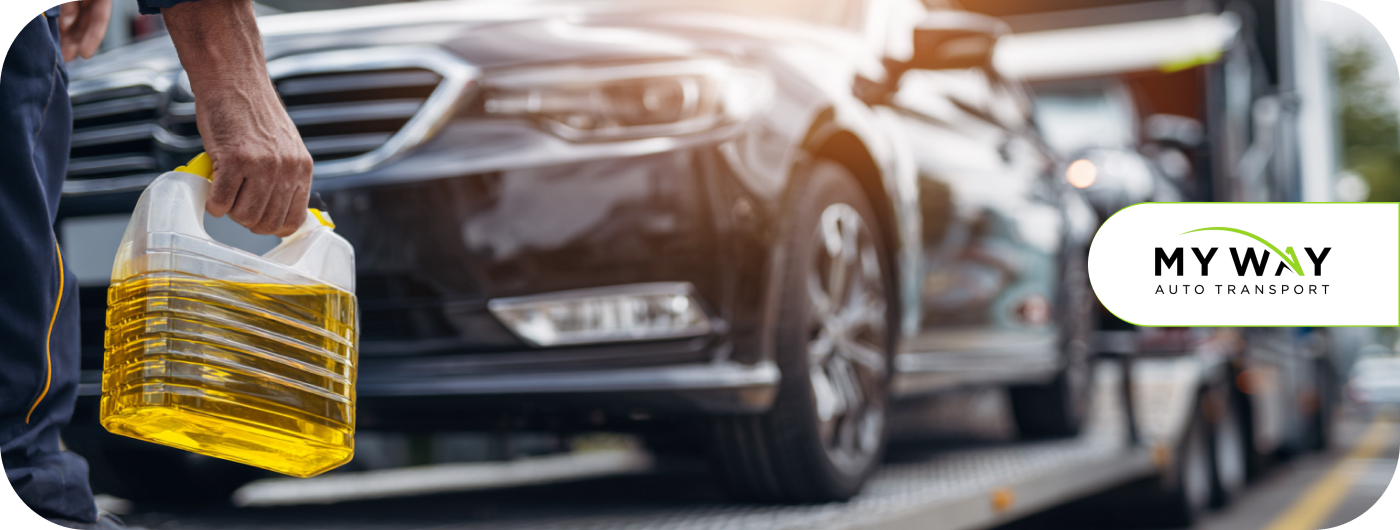
Many customers wonder: Do cars have to be empty when shipped? They don`t need to be completely empty, but they must have a small amount of fuel, typically 1/8 to 1/4 of a tank.
This amount is ideal because it:
- reduces delivery weight;
- ensures safer loading;
- prevents fuel from sloshing or leaking;
- complies with professional company safety guidelines.
How to prepare your vehicle with the correct fuel amount
To meet the requirements for ready auto transport, you should drive your vehicle lightly in the days leading up to pickup and reduce the fuel level to a safe minimum, ensuring the vehicle remains operable. Avoid filling the tank completely just before your car is picked up. Following these steps helps protect both your vehicle and the carrier during transport.
Which fluids should I check before shipping services arrive?
Checking your vehicle’s essential fluids before shipping is crucial to preparing your vehicle for transport. Ensuring that oil, coolant, brake and transmission fluids are at proper levels helps prevent mechanical issues and keeps your vehicle stable and safe during loading, transit and unloading.
Essential steps to prepare your car: oil & coolant inspection:
- Check that engine oil is at the appropriate level;
- ensure coolant is filled, especially for long-distance shipments;
- Inspect for leaks, wet spots or signs of dripping under the car;
- Maintain a stable engine to prevent complications during loading & unloading.

How to ensure your vehicle has proper brake & transmission fluids
It’s also important to check your vehicle’s brake and transmission fluids before shipping. Make sure the brake system is functioning properly, the transmission fluid is free of leaks and manual transmissions shift smoothly. Performing these checks is an essential step in preparing your auto for safe transport.
How do I prepare my car for transport with an empty tank policy?
Understanding how to prepare your auto for transport when following an empty tank policy is essential for a safe and compliant shipment. Many professional carriers require minimal fuel levels to reduce weight, enhance safety and prevent complications during loading and transit.
Guide to preparing your vehicle for shipping with quarter-tank fuel
Some shipping companies have a strict minimal fuel policy, which is especially common for enclosed transport and long-distance shipments. To comply, never leave your tank full and only retain enough fuel to operate the vehicle during loading and unloading.
What professional delivery company guidelines say about fuel levels
Most shipping companies follow FMCSA guidelines, which emphasize minimal fuel for safety and stability. These policies help ensure your car is protected during transport.
What are the complete steps to prepare your car for shipping?
Knowing the complete steps to prepare your car for shipping is essential for a safe and hassle-free experience. Proper preparation protects your vehicle, ensures a smooth pickup and helps avoid delays or complications during the shipping process.
How to ensure that your vehicle is ready before transport
To prepare your vehicle for transport, wash it for easier inspection and document its condition with photos or videos. Remove personal items, disable alarms, and secure or remove accessories like spoilers or racks. Check tire pressure, ensure the battery is charged, provide the keys for loading, and review auto transport reviews to choose a trusted carrier.
Preparing your vehicle for transport: final inspection tips
Preparing your auto properly before shipping is key to a smooth and secure delivery experience. Following a comprehensive checklist ensures your vehicle is ready for pickup, protects it during transit and helps prevent delays or disputes.
What should I do right before my vehicle shipment begins?
The final moments before your vehicle is picked up are critical to ensuring a smooth shipping experience. Performing last-minute checks and confirming all preparations helps protect your auto, prevent delays and ensures a safe handoff to the transport company.
Final steps to prepare your vehicle for shipping:
- Recheck that the fuel level is minimal.
- remove loose items from the trunk;
- fold in mirrors to prevent damage;
- Lock the car after inspection, unless your driver requests otherwise.
- How to give your vehicle a last-minute check before the transport
Before your auto is transported, perform a quick last-minute check by walking around the vehicle. Ensure that the tires are properly inflated, no warning lights are illuminated on the dashboard, and the battery terminals are securely tightened. Taking these simple steps helps prevent delays and ensures a smoother shipping process.
What to expect during the shipping process with your My Way Auto Transport company
When delivering your vehicle, you can expect clear communication throughout the shipping process. You’ll have access to tools that allow you to track your shipment in real time, and a professional carrier will ensure your vehicle is delivered safely using reliable and proven transport services.
Request an instant quote in under 2 minutes
Contact us for a custom delivery quote.
Frequently Asked Questions
Wash your auto, document its condition, maintain minimal fuel, check fluids, remove personal items, disable alarms and make sure the vehicle operates properly.
Never transport loose gasoline in containers inside your vehicle during auto shipment. Carriers require minimal fuel only in the car’s tank - not in portable containers.