
How to Safely Haul a Car Without Common Transport Issues
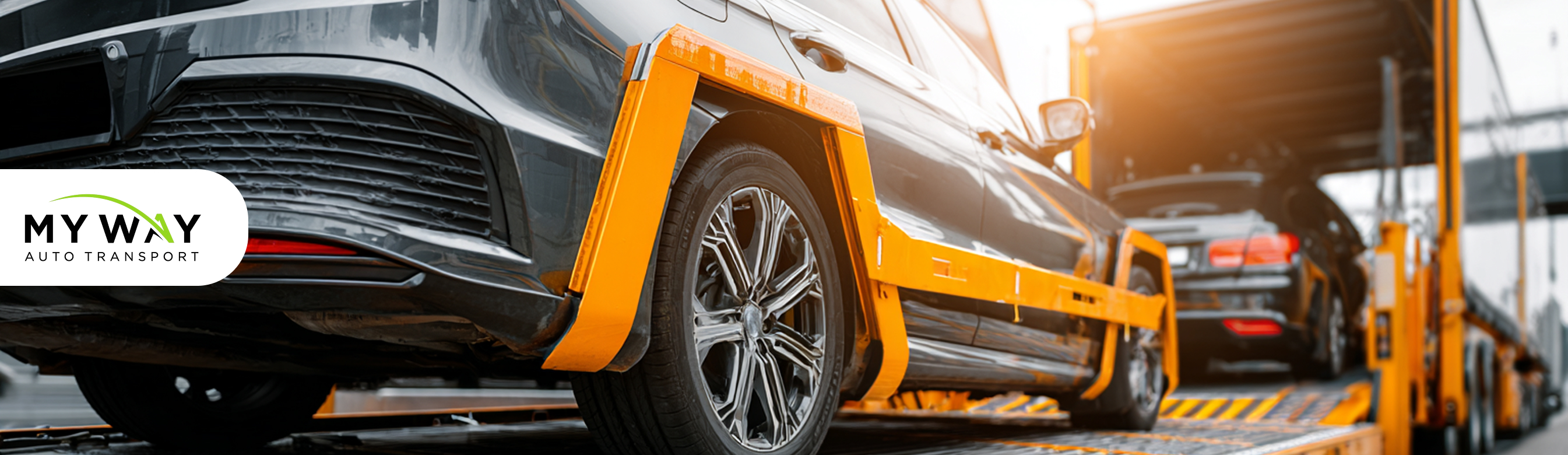
Shipping a car may seem simple, but without proper planning, it can lead to auto delivery damage or delays. Knowing car hauler requirements, choosing the correct method, and preparing your car properly are key to a smooth shipment and ensuring your vehicle is handled with care.
Key takeaways:
- Choose a reliable delivery service to prevent damage during auto transport.
- know car hauler requirements & FMCSA regulations;
- prepare your car with inspection & secure loose items;
- pick the right method: open, enclosed or standard auto transport;
- ensure proper loading & securement;
- document the car’s condition to avoid disputes;
- Stay in communication with the driver & service throughout shipment.
What should I know before transporting my vehicle?
Transporting a vehicle safely requires planning, knowledge and choosing the right car delivery services. Many car owners face common issues when transporting cars, such as scratches, mechanical problems or delayed delivery. Understanding the process ahead of time can save stress and ensure your vehicle is handled with care.
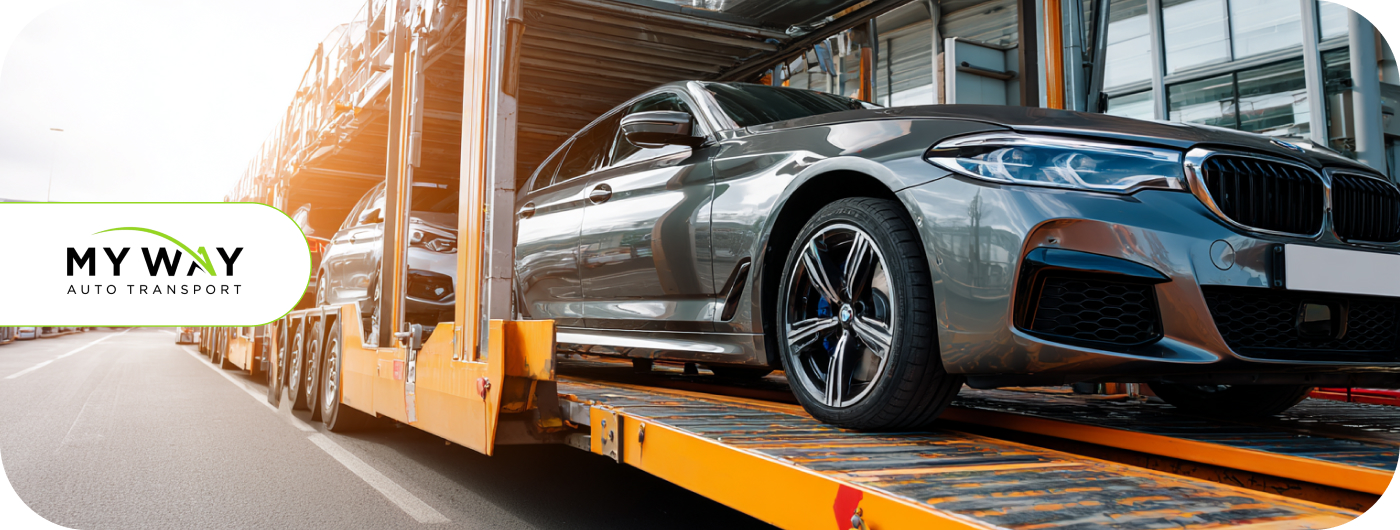
How to select a reliable auto transport company
When looking for a car shipping service, consider these factors:
- Experience & reviews – check auto transport reviews to see honest customer feedback;
- Insurance coverage – confirm coverage limits to protect against auto transport damage;
- Service types offered – ensure the company offers open auto transport, enclosed car shipping or standard auto transport based on your vehicle type;
- Transparent quotes – use a car shipping quote calculator to compare costs;
- Professional communication – a reliable service will provide clear guidance & a dedicated point of contact.
Understanding vehicle delivery requirements & regulations
Before shipping, familiarize yourself with car hauler requirements and state regulations. These include:
- maximum vehicle height, weight & dimensions for transport;
- proper documentation, such as title, registration & insurance;
- restrictions on transporting personal items inside the car.
Federal Motor Carrier Safety Administration guidelines for car haulers
The FMCSA sets strict guidelines for safe vehicle transport, covering driver qualifications, vehicle inspection and proper cargo securement. Following these standards helps ensure a compliant shipment and reduces the risk of common issues during car transport.

How can I prepare my car for safe transport?
Proper preparation is the foundation of safe vehicle transport. Inspect your car, document its condition, secure loose items and address minor issues to prevent damage or delays, ensuring a smooth shipment.
Essential pre-transport vehicle inspection checklist
Take clear photos of your vehicle from multiple angles, note any existing scratches, dents or mechanical issues and keep the car clean to make post-delivery inspection easier and more accurate.
Securing loose items & minimizing risk of damage
To reduce the risk of damage, remove personal items and fragile accessories, and secure any loose components. Keep fuel levels low - about a quarter tank - for safety during transit.
Tire & brake preparation for transportation:
- check tire pressure & ensure tires are road-ready;
- release the parking brake unless instructed by the carrier;
- inspect brakes for proper function before loading.
What are the different ways to safely transport a car?
Choosing the right method - open auto transport, enclosed car shipping or standard auto transport - is essential for protecting your vehicle, managing costs and ensuring a smooth, damage-free shipment.
Open vs. enclosed transport: which is right for your vehicle?
Open carriers are more affordable but expose vehicles to weather and debris. Enclosed car shipping offers maximum protection for luxury or high-value cars, while standard auto delivery balances cost and safety for everyday vehicles.

Understanding car hauler equipment & safety features
Carriers use specialized equipment like hydraulic lifts, straps, wheel chocks and tie-downs to load and secure vehicles safely. Trailers often have multiple decks, allowing several cars to be transported securely at once.
Protection from weather & road debris during transportation
Enclosed trailers offer full protection from weather, while open trailers expose vehicles to the elements and require careful positioning and securement to prevent damage. Some carriers add tarps or covers on open trailers for extra protection.
How is the vehicle loading process handled safely?
Professional loading is essential to ensure a vehicle arrives without damage. Experienced carriers carefully position cars on the trailer using ramps or hydraulic lifts, considering size, weight and clearance. Vehicles are then secured with approved straps and tie-downs. Proper loading prevents auto transport damage and maintains trailer balance for a smooth, safe journey.
Professional loading techniques used by experienced carriers
Experienced carriers use professional loading techniques to ensure vehicles are transported safely. They carefully employ ramps and hydraulic lifts to place cars gently onto trailers, check clearances to prevent contact with other vehicles or equipment and coordinate with drivers to maintain proper trailer balance throughout the loading process.
Securing your car to the transport trailer
Proper securement is key to safe transport. Carriers use multiple tie-downs at approved points, avoid strapping sensitive areas and check that the vehicle stays stable without shifting before departure.
Vehicle positioning to avoid damage during transit
Proper vehicle positioning on the trailer is essential to prevent damage during transit. Weight should be distributed evenly across the trailer decks, with taller or heavier vehicles placed on the lower levels of multi-level carriers. Cars should also be spaced carefully to avoid accidental contact with other vehicles during the journey.
What common issues can occur during auto transport?
Even with careful planning, common issues can occur, including delays from traffic or weather, minor cosmetic damage or mechanical problems if the vehicle isn’t properly prepared. Awareness of these risks helps ensure a smoother, safer transport.
Identifying & addressing potential risks:
- delays due to traffic, weather or carrier scheduling;
- minor cosmetic damage from road debris or handling;
- mechanical problems caused by improper securing or rough roads.
How to document your vehicle's condition before & after transport
Documenting your vehicle’s condition before and after transport helps prevent disputes. Take high-resolution photos from all angles, record mileage and note any existing scratches or dents. Upon delivery, inspect the car again and compare it to your initial records to ensure no new damage occurred.
Weather-related challenges in car shipping:
- Snow, ice or heavy rain can delay shipments;
- Extreme temperatures can affect tires & batteries;
- Reliable carriers monitor conditions & adapt routes for safety.
How to ensure your car arrives damage-free with My Way Auto Transport
Ensuring your car arrives safely and damage-free is the top priority at My Way Auto Transport. From careful handling during pickup to secure and final delivery, every step is designed to protect your vehicle and provide peace of mind throughout the shipping process.

Understanding our safe vehicle transport guarantee
At My Way Auto Transport, your vehicle is handled with care from pickup to delivery. We use trained drivers, proper equipment and securement methods to prevent damage and ensure a smooth shipment.
Communication with your driver throughout the transportation process
Clear communication with your driver is key for a smooth shipment. Receive regular GPS updates, driver check-ins and direct contact for questions, keeping you informed about your vehicle’s progress and estimated delivery.
Final inspection & delivery procedures
At delivery, conduct a thorough inspection of your vehicle alongside the driver. Verify that any pre-existing damage matches your documentation and confirm that no new issues have occurred during delivery. Only sign off once you are fully satisfied, ensuring peace of mind. For scheduling or assistance, you can call (844) 416-2544.
Request an instant quote in under 2 minutes
Contact us for a custom delivery quote.
Frequently Asked Questions
For safer transport, consider an enclosed trailer to protect your car from weather and debris. Remove loose items, secure accessories and document the vehicle’s condition with photos before pickup.
Transport safety requires following FMCSA guidelines, using approved tie-downs and equipment, and ensuring that the driver is fully licensed and trained. Adhering to these standards helps prevent accidents and damage to vehicles during transport.
Most carriers don't allow personal items inside the vehicle due to liability concerns. Keeping the interior clear not only protects your belongings but also ensures insurance coverage in case of any issues during transport.
If you notice damage upon delivery, document it immediately with photos. Contact your delivery service to report the issue and review the insurance policy. If necessary, file a claim promptly to ensure it is resolved efficiently.