
Personal vs. Commercial Vehicle Transportation: Differences and Features

The differences between personal and commercial transport extend beyond pricing. They affect vehicle operation, insurance coverage, permit requirements and shipping procedures. Customers can identify the appropriate transportation service nearby and quickly estimate costs with the free car shipping calculator, without overspending or facing legal complications.
Key takeaways:
- Personal transportation is designed for individual needs such as relocation, vacations or seasonal travel;
- Commercial transportation supports businesses, fleet management, dealerships and high-volume delivery;
- Non-commercial vs commercial transport affects pricing, permits, insurance, and compliance with FMCSA rules.
Personal vs commercial vehicle transportation: overview
Understanding the distinction between personal and commercial delivery can help you choose the correct shipping option. Personal transport is tailored to individual needs and flexibility, while commercial transport supports business operations, fleet use, and regulatory compliance. Pricing, insurance and service management are all influenced by these differences, so it’s helpful to read auto transport reviews to evaluate provider reliability and quality.
What is personal vehicle transportation?
Personal transportation refers to shipping a non commercial transport that is used for personal purposes rather than business operations. These vehicles are typically owned by individuals and transported for lifestyle or life-transition reasons.
Common examples include cars shipped for:
- relocation or job changes;
- college or university commute;
- vacation or seasonal travel;
- military or family moves.
Personal transports fall into a standard category with simpler legal and insurance requirements. They don`t operate as part of a business fleet and are not tied to revenue-generating activities.
What is a commercial vehicle & how it differs
A commercial transport is owned or leased by a business and used for operational or delivery purposes. These vehicles operate under stricter legal and regulatory frameworks.
Commercial vehicles:
- used for business delivery or services;
- subject to FMCSA compliance rules;
- covered by specialized commercial insurance.
This non commercial vs commercial distinction affects everything from maintenance schedules to permits and pricing structures.

Personal transportation services
The focus of personal shipping services is on convenience and flexibility. They are perfect for those who prioritize time management, security and relaxation.
These solutions are tailored to meet individual lifestyle needs, allowing for the effortless relocation of your transport without any additional expenses or mileage.
When you're moving, traveling seasonally or sending a car to family members, these services offer flexible scheduling, careful handling and reliable delivery tailored to your needs.
For business-related needs, such as dealer transfers, providers also offer specialized services like transport cars for dealerships to ensure efficient and secure vehicle movement between dealerships.
Seasonal, snowbird & college student special shipping
Personal shipping services focus on flexibility and convenience. They are ideal for individuals who value timing, safety and peace of mind.
Popular personal-use solutions include:
- seasonal car shipping for extended stays;
- snowbird car transport between northern & southern states;
- college student vehicle delivery for easier campus commute.
These services eliminate long drives, reduce wear and support personal use schedules.
Luxury, exotic & specialty vehicle shipping
Some personal transport items require extra care due to their value or design. These shipments often include: enclosed transport, enhanced insurance and specialized handling. Examples include luxury cars, exotic vehicles, golf carts and recreational transports. Proper maintenance and secure loading are essential to protect these assets during transit.
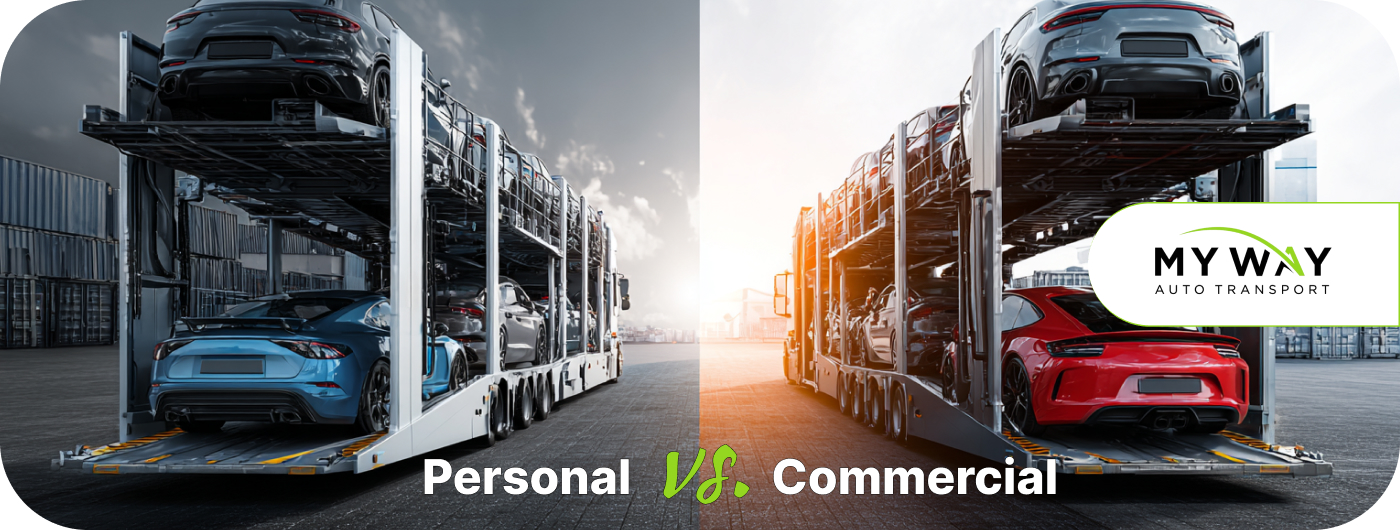
Commercial transportation services
These services are built to support business operations that depend on timely, efficient and compliant vehicle delivery. These solutions are designed for higher volumes, repeat shipments and coordinated logistics, helping companies manage fleets, control costs and maintain smooth operational workflows.
Multi-car transport & corporate relocation transport
Businesses often need to move multiple vehicles efficiently. Commercial shipping focuses on scale, coordination and cost control.
Key benefits include:
- bulk shipping discounts;
- streamlined scheduling;
- contract-based pricing;
- reduced downtime for operational fleets.
Dealer, auction & commercial transportation services
Commercial vehicle transport is essential for the automotive industry, ensuring that vehicles move efficiently between businesses. This includes shipping cars for dealerships, delivering vehicles purchased at auctions and managing business-to-business fleet transfers.
Non commercial vs commercial: key differences
Understanding the differences between non commercial and commercial transportation is crucial for selecting the exemplary service. These distinctions affect pricing, scheduling, insurance, volume, contracts and overall flexibility, shaping how transports are shipped and managed for personal or business use.
Pricing & scheduling & insurance considerations
The differences between personal and commercial transport directly affect cost and service structure. Personal transport is typically used for one-time or seasonal shipments, offers flexible pickup windows and includes standard insurance coverage. In contrast, commercial transport often involves contract-based pricing, fixed delivery schedules, higher insurance limits and strict permit, and compliance requirements. Businesses must also comply with FMCSA regulations, which impose additional legal and administrative responsibilities.
Volume & contracts & flexibility

How to choose the right transportation service
Selecting the right special service requires understanding your specific needs, whether you are an individual or a business. The right provider ensures safe, timely and efficient delivery while meeting any special requirements or compliance standards.
Factors for individuals: safety, timing & special requirements:
- carrier safety records;
- clear communication;
- door-to-door delivery options;
- special handling for good condition vehicles.
Key considerations for businesses: fleet size, shipment frequency & cost optimization
When selecting a transportation service, businesses need to consider fleet size, how often vehicles are shipped and the overall cost-effectiveness of the service. A reliable provider should offer scalable fleet management, predictable delivery timelines and cost-effective solutions for multiple shipments. Additionally, they must ensure full legal compliance, including adherence to FMCSA regulations.

Why choose My Way Auto Transport
Choosing the right transportation provider ensures peace of mind, safety and efficiency for both personal, and commercial shipments. My Way Auto Transport combines extensive experience, customer-focused service and nationwide coverage to meet the diverse needs of individuals and businesses alike.
Expertise in personal shipping across all states
My Way Auto Transport is dedicated to personal vehicle transport, offering service centered on the customer’s needs. From daily commute vehicles to seasonal moves, the team ensures safe handling, clear communication and timely delivery nationwide.
Reliable commercial & bulk auto transport solutions
My Way Auto Transport provides businesses with flexible, scalable solutions tailored for fleet management, dealership deliveries and logistics operations. The company supports shipping all types of transports with compliance-driven processes and efficient coordination.
Request an instant quote in under 2 minutes
Contact us for a custom delivery quote.
Frequently Asked Questions
A personal vehicle is used for individual, non-business purposes, while a commercial transport is operated for business delivery, services or fleet operations and must meet stricter legal and FMCSA requirements.
It is a service designed to ship non commercial vehicles for personal use, including relocation, seasonal travel or lifestyle needs.
Sedans, SUVs, pickup trucks, luxury cars, classic transports, golf carts and recreational vehicles can all be shipped under personal transport services.
Yes. Businesses commonly use bulk shipping solutions to move multiple vehicles efficiently under a single contract.
Look for licensed carriers with strong reviews, transparent pricing, clear insurance coverage and a proven shipping process. A reputable provider will explain compliance, timing and costs upfront.